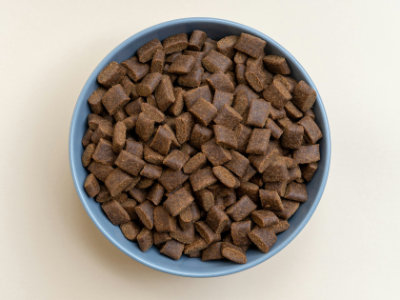
When you pick up a bag of commercial dog food, you're likely focusing on the ingredient list. But what most pet owners don't realize is that how that food is processed can be just as important as what's in it.
The pet food industry has long relied on high-temperature processing methods to extend shelf life and ensure food safety. While these techniques serve important purposes, recent research suggests they may come with hidden costs to your dog's nutrition.
Understanding the Processing Problem
Most commercial dog food undergoes extrusion, a process that exposes ingredients to temperatures between 120°C and 200°C (248°F to 392°F). During this intense heat treatment, the food mixture is subjected to high pressure and temperature for extended periods.
While this method effectively kills harmful bacteria and creates the familiar kibble shape, it also triggers significant chemical changes in the food's nutritional composition. Heat-sensitive vitamins, essential amino acids, and beneficial enzymes can be substantially degraded or destroyed during this process.
What Gets Lost in the Heat
Research has shown that high-heat processing can reduce levels of several crucial nutrients. B vitamins, particularly thiamine and folate, are especially vulnerable to heat degradation. Studies have documented losses ranging from 20% to 90% depending on the specific vitamin and processing conditions.
Essential amino acids like lysine can undergo a chemical reaction called the Maillard reaction when exposed to high heat in the presence of sugars. This not only reduces the bioavailability of these amino acids but can also create compounds that are difficult for dogs to digest.
Omega-3 fatty acids, crucial for skin health, coat quality, and cognitive function, are particularly sensitive to heat and oxidation. The high temperatures used in conventional processing can significantly degrade these beneficial fats, reducing their effectiveness.
The Fortificatio n Paradox
To compensate for these losses, manufacturers typically fortify their products with synthetic vitamins and minerals after processing. While this helps restore some nutritional value, there's ongoing debate about whether synthetic nutrients are as bioavailable as those naturally present in whole food ingredients.
Moreover, fortification addresses known nutrient losses but may not account for beneficial compounds we're still discovering or don't yet fully understand. Whole foods contain thousands of phytonutrients, enzymes, and other beneficial compounds that work synergistically—many of which are heat-sensitive and cannot be easily replaced through fortification.
Advanced Glycation End Products
Another concern with high-heat processing is the formation of advanced glycation end products (AGEs). These compounds form when proteins or fats combine with sugars under high heat. Research in human nutrition has linked dietary AGEs to inflammation and various chronic diseases.
While research specifically on dogs is still emerging, preliminary studies suggest that diets high in AGEs may contribute to oxidative stress and inflammatory processes in canines as well.
Alternative Processing Methods
Awareness of these issues has led to the development of alternative processing methods. Some manufacturers now use lower-temperature techniques, air-drying, or freeze-drying to preserve more of the natural nutrition in their ingredients.
These gentler processing methods typically retain higher levels of heat-sensitive nutrients and avoid the formation of potentially harmful compounds. However, they often come with a higher price tag and may have shorter shelf lives.
What This Means for Your Dog
The impact of processing methods on your dog's health likely depends on various factors, including their overall diet quality, health status, and individual nutritional needs. For most healthy dogs eating a balanced commercial diet, manufacturers' fortification practices help ensure adequate nutrition despite processing losses.
However, dogs with specific health concerns, sensitivities, or those requiring optimal nutrition may benefit from foods processed at lower temperatures or supplemented with fresh, whole food ingredients.
Making Informed Choices
When selecting dog food, consider looking for brands that are transparent about their processing methods. Some manufacturers provide information about their production temperatures and techniques on their websites or packaging.
You might also consider complementing commercial food with fresh, lightly cooked, or raw additions to help compensate for processing-related nutrient losses. Always consult with a veterinary nutritionist before making significant dietary changes, especially if your dog has specific health concerns.
Understanding the role of processing in dog food quality empowers you to make more informed decisions about your pet's nutrition. While high-heat processing serves important safety and economic purposes, being aware of its nutritional implications can help you choose products that best support your dog's health and wellbeing.