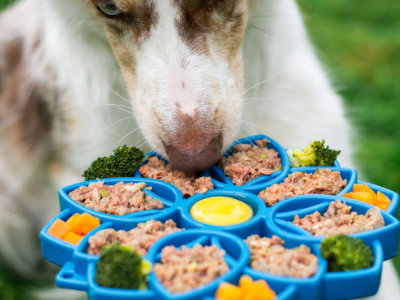
Understanding your dog's nutritional needs helps ensure they receive proper nourishment for optimal health. Dogs require specific nutrients in appropriate amounts for their life stage and activity level.
Protein
Protein provides amino acids necessary for building and maintaining muscle, producing enzymes and hormones, and supporting immune function. Dogs need complete proteins containing all essential amino acids they cannot produce themselves.
Quality protein sources include meat, fish, eggs, and some plant-based proteins. The amount needed varies by age—puppies and active dogs typically require more than sedentary seniors.
Fats
Dietary fats supply concentrated energy and essential fatty acids like omega-3 and omega-6. These support skin health, coat quality, brain function, and help absorb fat-soluble vitamins.
Sources include animal fats, fish oil, and plant oils. Balance between omega-3 and omega-6 fatty acids is important for managing inflammation and supporting overall health.
Carbohydrates
While not strictly essential (dogs can produce glucose from protein and fat), digestible carbohydrates provide readily available energy and fiber for digestive health. Whole grains, vegetables, and fruits offer carbohydrates along with beneficial vitamins and minerals.
Fiber from carbohydrate sources supports healthy digestion and can help maintain appropriate weight.
Vitamins
Dogs need various vitamins including A, D, E, K, and B-complex vitamins. These support functions from vision and bone health to energy metabolism and nerve function.
Quality commercial foods are formulated to provide adequate vitamins. Homemade diets may require supplementation—consult a veterinary nutritionist to ensure proper balance.
Minerals
Calcium, phosphorus, potassium, sodium, and trace minerals like zinc and iron support bone health, fluid balance, nerve function, and numerous metabolic processes.
Mineral balance is crucial—excess or deficiency of certain minerals can cause health problems. This is why veterinarians caution against supplementing balanced diets without professional guidance.
Water
Though often overlooked, water is the most essential nutrient. Dogs need constant access to fresh, clean water. Water requirements increase with activity, temperature, and certain health conditions.
Proper nutrition involves more than just these nutrients—it's about appropriate amounts, balance, and bioavailability. Work with your veterinarian to ensure your dog's diet meets their individual needs.
Note: This article is for informational purposes only and should not replace professional veterinary advice. Always consult with your veterinarian regarding your dog's specific health needs.